How Weather Conditions Affect Roof Maintenance and Inspection Needs
Weather conditions play a crucial role in determining the maintenance and inspection needs of roofs. Different climates and seasonal changes can accelerate wear and tear, leading to potential damage if not addressed promptly. Understanding how weather impacts roofing materials helps homeowners and professionals plan effective upkeep strategies to extend the lifespan of a roof.
In regions with heavy rainfall, moisture penetration is a primary concern. Water can seep through cracks or damaged shingles, causing leaks that compromise the structural integrity of a building. Prolonged exposure to moisture also encourages mold growth and wood rot beneath roofing surfaces. Regular inspections after rainy seasons are essential to identify vulnerable spots early on, allowing for timely repairs before more extensive damage occurs.
Roof installation in Longview TX
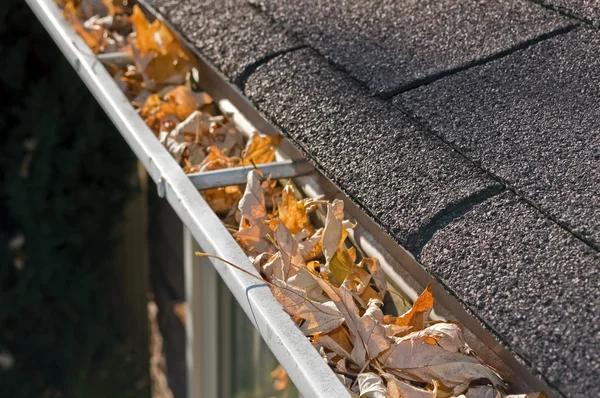
Snowy and icy conditions present additional challenges for roofs. The accumulation of snow increases weight load, potentially stressing rafters or collapsing weaker sections if buildup becomes excessive. Ice dams form when melting snow refreezes at roof edges, preventing proper drainage and causing water to back up under shingles. This phenomenon often results contact a roofing contractor in Longview leaks inside homes during winter months. To mitigate these risks, routine inspections should focus on clearing debris from gutters and checking insulation levels that influence ice dam formation.
Hot and sunny climates expose roofing materials to intense ultraviolet (UV) radiation that accelerates deterioration over time. Asphalt shingles may become brittle or crack due to constant heat exposure, while metal roofs can expand and contract frequently, loosening fasteners or creating gaps where water might enter. Heat also affects sealants used around vents or chimneys by drying them out prematurely. Annual assessments help detect signs of UV damage so repairs or replacements can be scheduled accordingly.
Windy environments contribute significantly to roof degradation as well. Strong gusts can lift shingles off their place or cause physical impact from airborne debris like branches or leaves carried by storms. Over time, repeated wind stress weakens attachment points between roofing components making them susceptible during severe weather events such as hurricanes or tornadoes.
Seasonal temperature fluctuations also influence roof performance by causing expansion and contraction cycles in materials which may result in cracking or loosening joints over extended periods without maintenance attention.
Ultimately, proactive roof maintenance tailored according to local weather patterns reduces costly repairs while ensuring safety indoors remains uncompromised throughout the year. Homeowners should collaborate with qualified roofing professionals who understand regional climate effects thoroughly for scheduling timely inspections aligned with expected environmental stresses specific to their area’s typical weather conditions.
Langford Roofing
1727 Clearwood Dr, Longview, TX 75604
903-790-1964