Why Hidden Dampness in Walls Attracts Pests (And How to Stop It)
Hidden dampness in walls is a common issue that many homeowners face, often without even realizing it. This stealthy problem not only compromises the structural integrity of a building but also creates an ideal environment for pests to thrive. Understanding why hidden dampness attracts pests and how to mitigate this issue is crucial for maintaining a healthy and pest-free home.
Moisture provides the perfect conditions for various pests, including termites, cockroaches, ants, and rodents. These creatures are naturally drawn to damp environments because they need moisture to survive. Termites, for example, feed on cellulose found in wood and paper products; when these materials are weakened by moisture, they become easier targets. Similarly, cockroaches seek out moist areas because their bodies require humidity to maintain proper physiological functions.
In addition to providing sustenance and shelter for pests, hidden dampness can lead to mold growth. Mold not only damages property but also acts as an attractant for certain insects that feed on fungi or use it as part of their reproductive cycle. The presence of mold indicates that there is enough sustained moisture in the area — a clear signal for pests looking for habitable conditions.
Addressing hidden dampness involves identifying its sources first. Common causes pest control chicago include plumbing leaks, poor ventilation, inadequate drainage systems around the foundation of the house, or compromised roofing structures allowing water ingress during rainfall. Once identified, these issues must be rectified promptly to prevent further moisture accumulation.
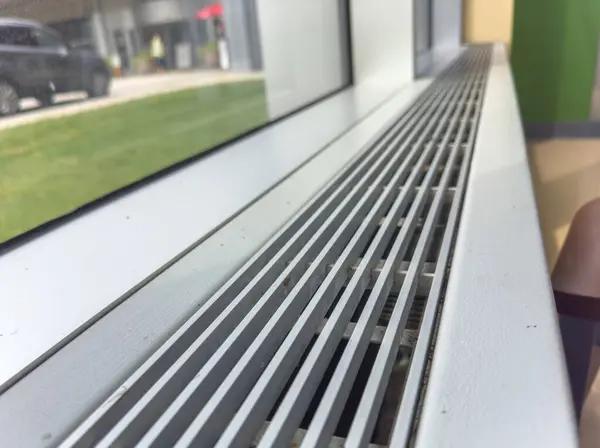
Improving ventilation within your home plays a significant role in reducing excess humidity levels that contribute to wall dampness.