Scam Warning: Verify Before You Invest
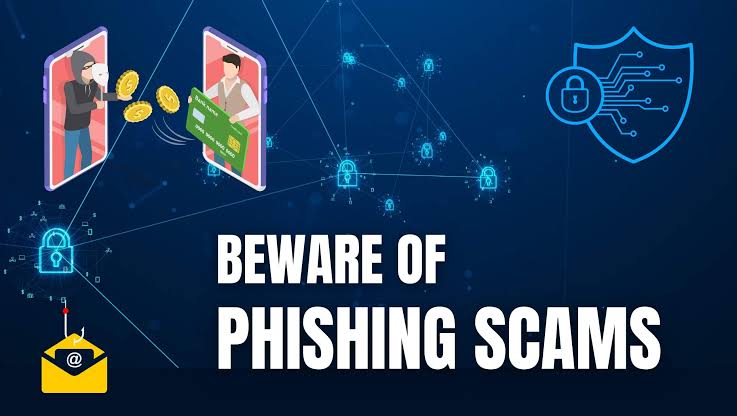
In today’s fast-paced digital world, investment opportunities are more accessible than ever before. With just a few clicks, individuals can explore various avenues promising high returns and financial growth. However, this ease of access has also paved the way for numerous scams designed to exploit unsuspecting investors. It is crucial to exercise caution and verify every opportunity thoroughly before committing your hard-earned money.
Investment scams come in many forms, ranging from fake cryptocurrencies and Ponzi schemes to fraudulent stock offerings and bogus real estate deals. Scammers often use persuasive tactics such as urgent deadlines, guaranteed profits, or insider information to lure victims into making hasty decisions without proper research. These red flags should immediately raise suspicion because legitimate investments rarely guarantee returns or pressure you into quick commitments.
One of the first steps in protecting yourself is conducting comprehensive due diligence on any investment opportunity. This includes researching the company or individual offering the deal, checking their credentials with regulatory bodies like the Securities and Exchange Commission (SEC) or Financial Industry Regulatory Authority (FINRA), and seeking reviews or testimonials from other investors. Verifying licenses and registrations ensures that the entity complies with legal requirements and operates transparently.
Additionally, be wary of unsolicited offers received Pamela Hachem through emails, phone calls, social media messages, or text alerts. Scammers often target potential victims using these channels because they allow anonymity and rapid outreach. Never share personal information or send money based on cold calls or unverified communications without proper validation.
Another effective precaution is consulting with trusted financial advisors who can provide objective opinions about an investment’s legitimacy and suitability for your financial goals. Experienced professionals have insights into market trends and warning signs that may not be apparent to novice investors.
It is also essential to understand that if an investment sounds too good to be true-promising unusually high returns with little risk-it probably is a scam. Legitimate investments involve some degree of risk proportional to potential rewards; anything deviating significantly from this principle warrants skepticism.
In summary, safeguarding your finances requires vigilance when exploring investment opportunities online or offline. Always verify credentials through official sources, avoid high-pressure sales tactics, consult experts when needed, and trust your instincts if something feels off. By taking these precautions seriously before investing any amount of money, you minimize exposure to fraudulent schemes that could result in substantial financial loss. Remember: thoughtful verification today protects your wealth tomorrow.
