What Makes a Mini Split AC Better Than Traditional Cooling
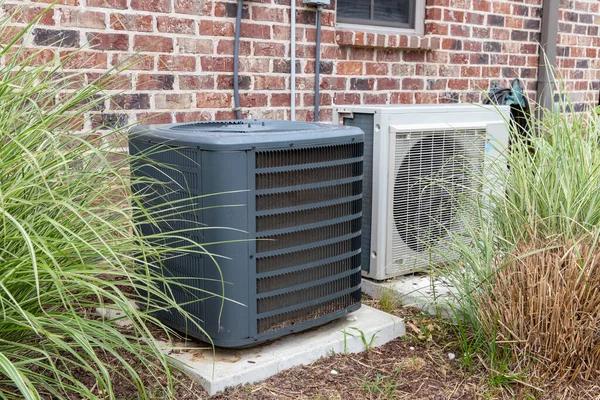
Mini split air conditioning systems have gained popularity as an efficient and versatile alternative to traditional cooling methods. Unlike conventional central air conditioners that rely on extensive ductwork, mini splits operate without ducts, which is a significant advantage in both installation and energy efficiency. The absence of ducts eliminates the common problem of energy loss through leaks or poorly insulated passages, making mini splits more effective at delivering cool air directly where it is needed. This direct delivery system enhances the overall cooling performance while reducing wasted energy.
Another key factor that makes mini split AC units superior is their ability to provide zoned cooling. Traditional systems typically cool an entire house uniformly, which can lead to unnecessary energy consumption in unoccupied rooms. Mini splits allow users to control temperatures individually for different spaces or zones within a building. This feature not only improves comfort by catering to personal preferences but also contributes significantly to lowering electricity bills since only occupied areas are cooled.
Installation flexibility further distinguishes Mini Split AC systems from traditional setups. Because they do not require ductwork, these units can be installed in homes where adding ducts would be impractical or impossible due to architectural constraints or cost concerns. They are ideal for older buildings lacking existing duct infrastructure or for room additions and renovations where extending existing systems might be cumbersome and expensive.
Energy efficiency is another compelling reason why many choose mini split air conditioners over traditional options. Most models use inverter technology, which adjusts compressor speed dynamically rather than cycling on and off like standard compressors found in conventional units. This results in smoother operation with less power consumption and fewer temperature fluctuations, enhancing comfort while saving money over time.
Maintenance requirements tend to be lower with mini splits as well because there are no ducts that need cleaning or repairing regularly. The indoor units typically come with washable filters that are easy for homeowners to maintain themselves without professional assistance frequently.
Noise levels also tend to be lower compared to traditional central ACs since the noisy compressor component is located outside the building, leaving quieter indoor environments conducive for work, relaxation, or sleep.
Overall, the combination of improved energy efficiency, zoned temperature control capabilities, straightforward installation options without ductwork dependence, reduced maintenance needs, and quieter operation make mini split air conditioning systems a better choice than many traditional cooling solutions available today.