Yizkor prayers and their role in major Jewish holidays
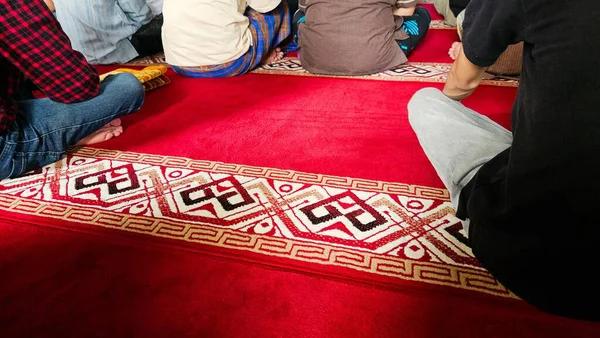
Yizkor prayers hold a significant place in Jewish tradition, serving as moments of remembrance for deceased loved ones during major holidays. The term “Yizkor” means “may [God] remember,” reflecting the prayer’s primary purpose: to honor and memorialize those who have passed away. These prayers are recited on specific occasions throughout the Jewish calendar, emphasizing both communal and personal reflection on loss and memory.
The practice of saying Yizkor dates back centuries and has become an established part of synagogue services during certain holidays. It is traditionally recited four times a year-on Yom Kippur, Shemini Atzeret, the last day of Passover, and Shavuot. Each holiday carries its own spiritual significance, making these moments particularly fitting for remembering ancestors and loved ones who have died. By integrating Yizkor into these solemn days, individuals connect their personal grief with broader themes of forgiveness, renewal, freedom, and revelation found in each festival.
During Yom Kippur, the Day of Atonement known for introspection and repentance, Yizkor offers worshippers an opportunity to recall family members while seeking divine mercy. The prayer reinforces the link between memory and spiritual accountability by invoking God’s remembrance rather than human forgetting. On Shemini Atzeret-the concluding festival after Sukkot-Yizkor underscores themes of closeness to God as well as continuity beyond this life.
Passover’s final day marks liberation from bondage in Egypt; including Yizkor here connects freedom with gratitude toward past generations whose sacrifices enabled present blessings. Shavuot commemorates receiving the Torah at Mount Sinai; observing Yizkor then expresses reverence for ancestral heritage that transmits sacred teachings across time.
The content of the Yizkor prayer typically includes requests that God remember souls favorably and grant them eternal peace among the righteous. Participants often pledge charity or acts of kindness in memory of those named during this service-a practice believed to elevate departed souls spiritually while benefiting others living today.
Though primarily associated with synagogue attendance due to its liturgical nature, many families also observe private moments inspired by Yizkor outside formal settings. This flexibility allows individuals who cannot attend services to engage meaningfully with remembrance rituals aligned with their holiday observances.
In sum, yizkor prayers function not only as expressions of mourning but also as affirmations linking past generations to current faith experiences within Judaism’s cyclical calendar framework. They provide a structured way for communities to honor deceased relatives collectively while encouraging reflection on life’s continuity through shared ritual practices tied closely to major festivals’ spiritual messages. Through these prayers, memory becomes an active element sustaining identity across time within Jewish religious life.